
No. 01
Deed and transfer history
Who held title, when it moved, and which recorded document shows each step, with book and page or instrument numbers.
The detail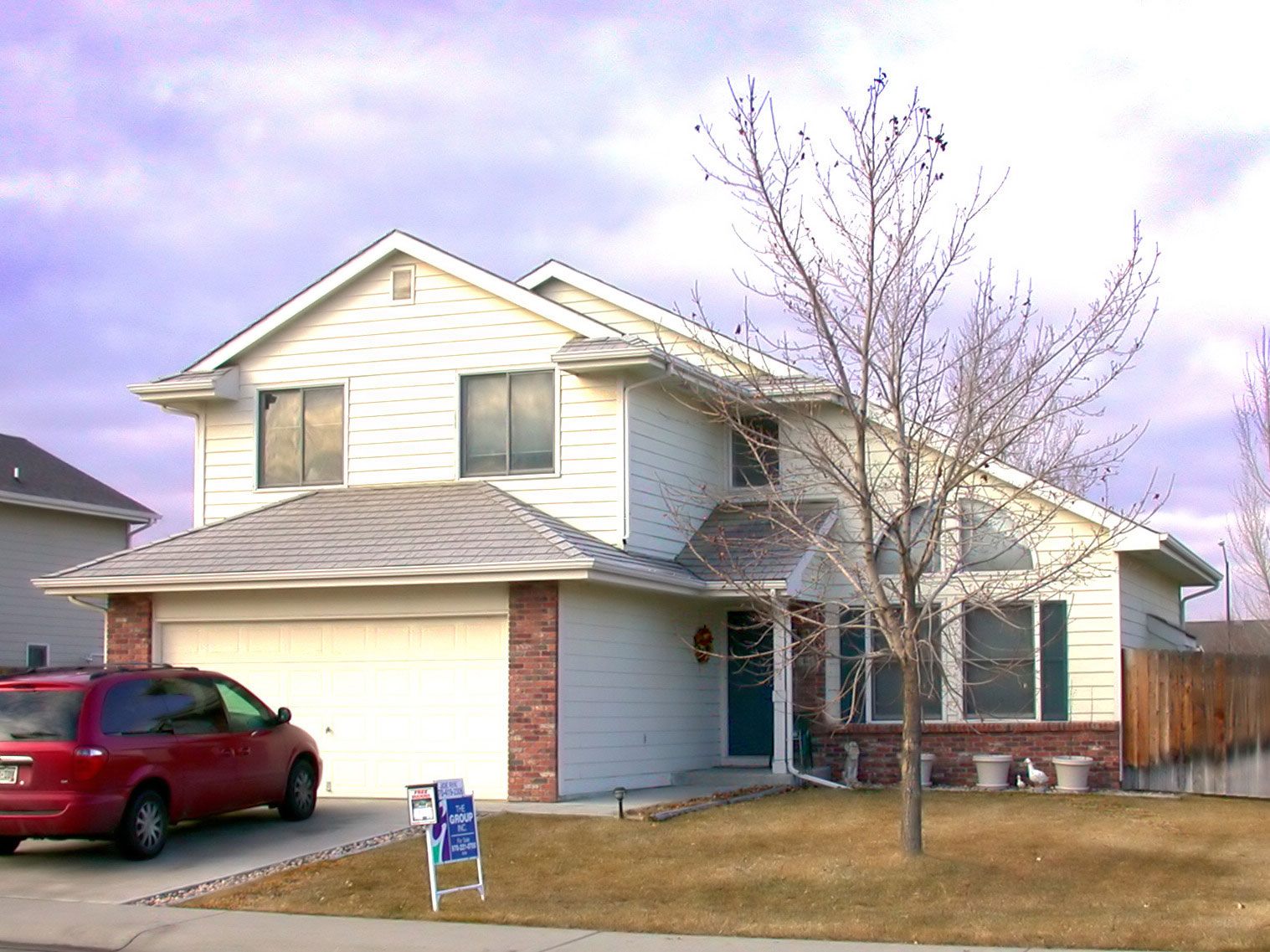
LRS Home Request LLC · Denver, Colorado
Deeds, permits, assessments, plats and index-level lien searches for one address, requested from the offices that hold them and delivered as a single organized file.
Ask a questionAlmost everything that has ever happened to a house, officially, happened on paper — and almost all of that paper is public. The trick is knowing which office holds which page, and what the page actually says.
A deed shows who held title and the moment it moved. A transfer declaration describes the transfer for the assessor. Permits show which work was approved, and the gaps show which work was done without asking. The assessor's parcel record shows how the property was classified and valued across the cycles. Plats and subdivision filings show where the lot lines came from. Lien and judgment indexes show what has been recorded against the property along the way.
LRS Home Request LLC requests and compiles these documents for a single address and returns them as one readable file: dates as recorded, instrument and parcel numbers, the office that holds each original, and a plain-language note on what the set of records shows. We work from an office in Denver, close to the recorder, assessor and permit counters of the Front Range.
Drag the row, or use the arrows. Every card describes work that ends in a document you can hold, with its source written under it.
No. 01
Who held title, when it moved, and which recorded document shows each step, with book and page or instrument numbers.
The detail
No. 02
Building, electrical, plumbing and zoning permits filed against the address, including work that was permitted and work that appears without a permit.
The detail
No. 03
How the assessor has classified and valued the parcel over time, and what changed between cycles.
The detail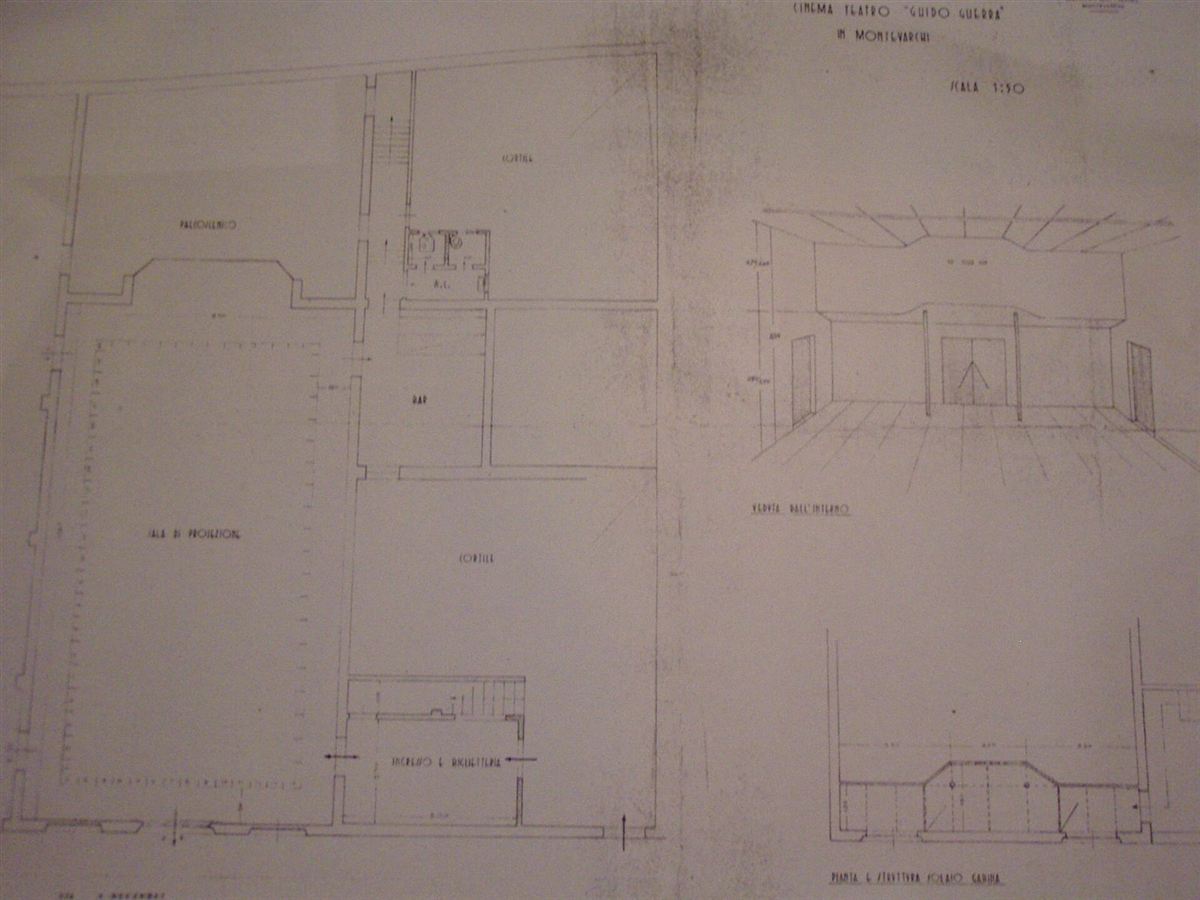
No. 04
Subdivision, plat references, parcel identifiers, lot dimensions and any recorded easements or restrictions we can locate in the index.
The detail
No. 05
Index-level searches for recorded liens, judgments and notices affecting the property. Certified copies come from the clerk.
The detail
No. 06
A chronological view of what has happened on a street or block, useful before you make an offer, renovate or appeal.
The detailFollow one deed through the system and you meet most of the records we pull. This is the route, step by step.
Ownership changes with a signature. The seller signs a deed, a notary witnesses it, and for a while the paper exists only between the parties.
The deed is presented to the county clerk and recorder, who stamps it with a date and an instrument number, or a book and page, and scans it into the public record. That stamp is what turns private paper into public notice.
Most Colorado transfers are filed with a declaration that tells the assessor about the transfer. It sits in the record next to the deed and dates the change.
The assessor's office revisits the parcel record: owner, classification, and eventually value across assessment cycles. Each cycle leaves a line in the history.
A new roof gets a permit. An addition gets several. Unpaid obligations can produce recorded liens and judgments, each with its own index entry against the address.
We gather the chain the indexes show for that address into one organized file, with the source of every line and a note wherever an index came back empty.
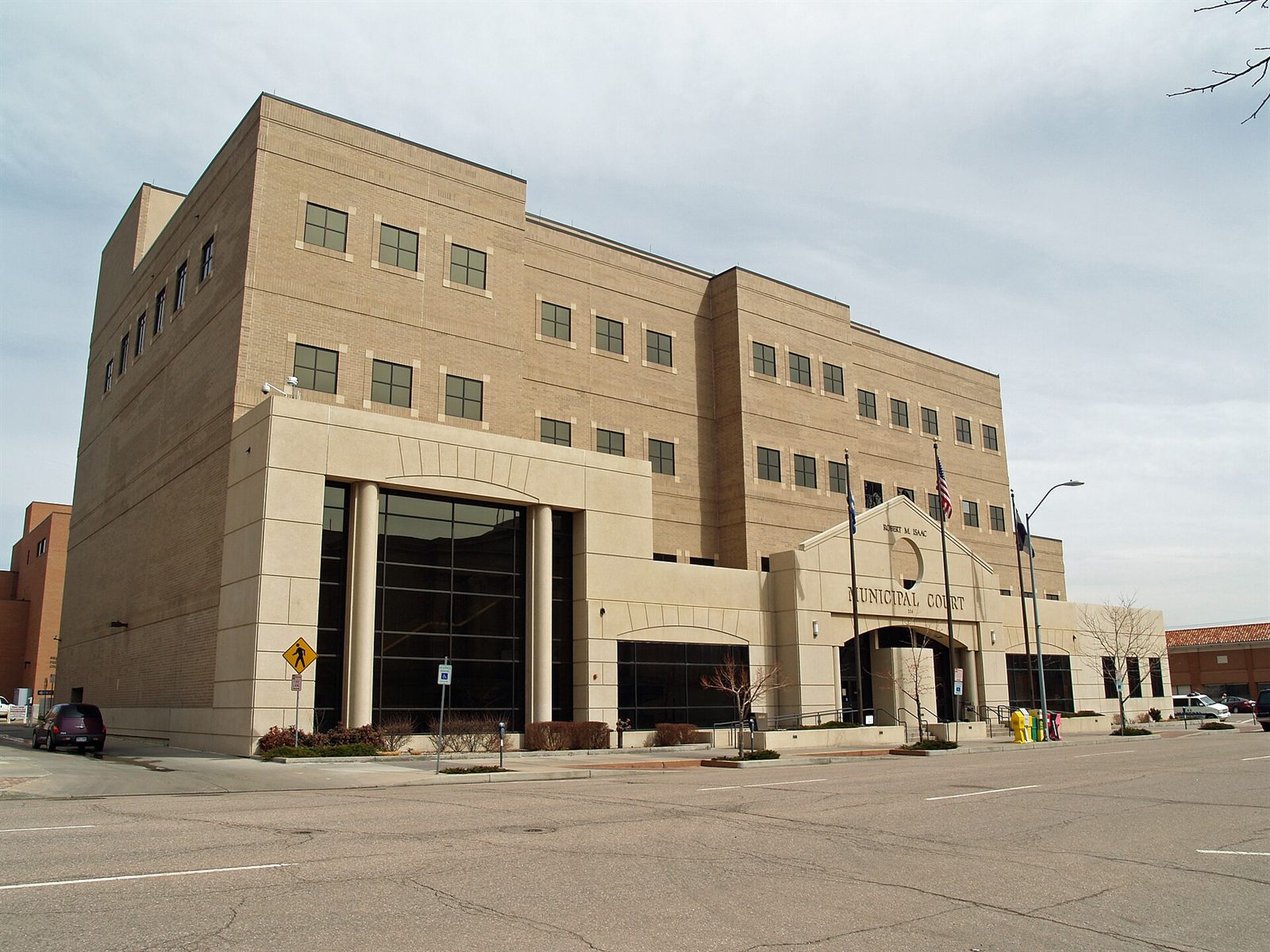
Eight families of record, searched in a fixed order so nothing is skipped and every query can be repeated.
County records are organized by index, and an index only answers the question you actually ask it. We search by address, by parcel identifier and by the names on the deed, because the same house can appear under all three. What comes back is copied down exactly as the index states it — names, dates, numbers — with the office that holds the original named on every line.
We work across the Denver metro and the Front Range, and take on other Colorado counties on request. When an index is silent, the file says so; a search that found nothing is still a result worth writing down.
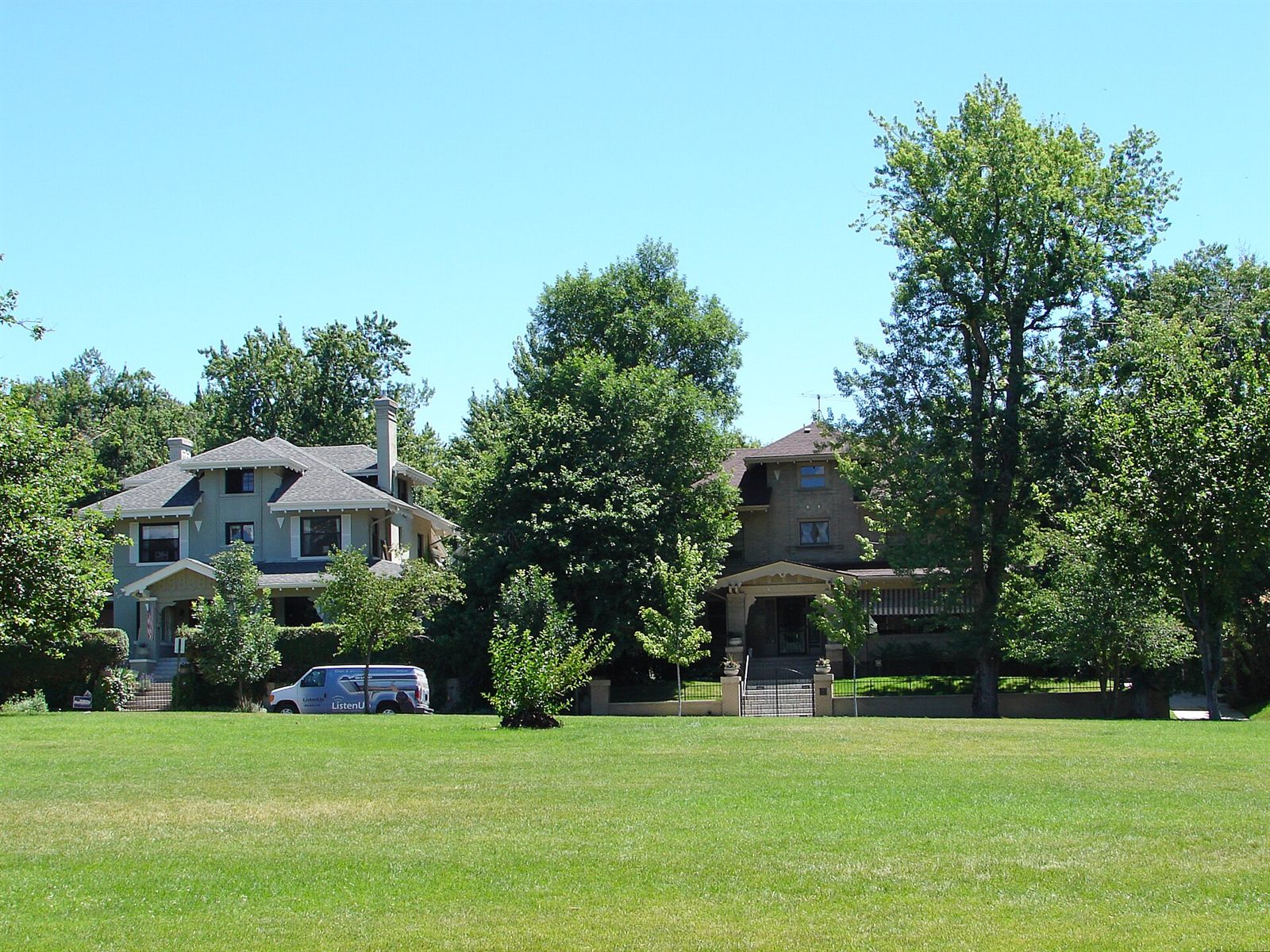
The questions change; the method does not. Here is who usually writes to us, and what they are trying to find out.

An address, a parcel number if you have one, and the question behind it — that is enough to start. You will hear back from a person at the Denver office, not a queue.