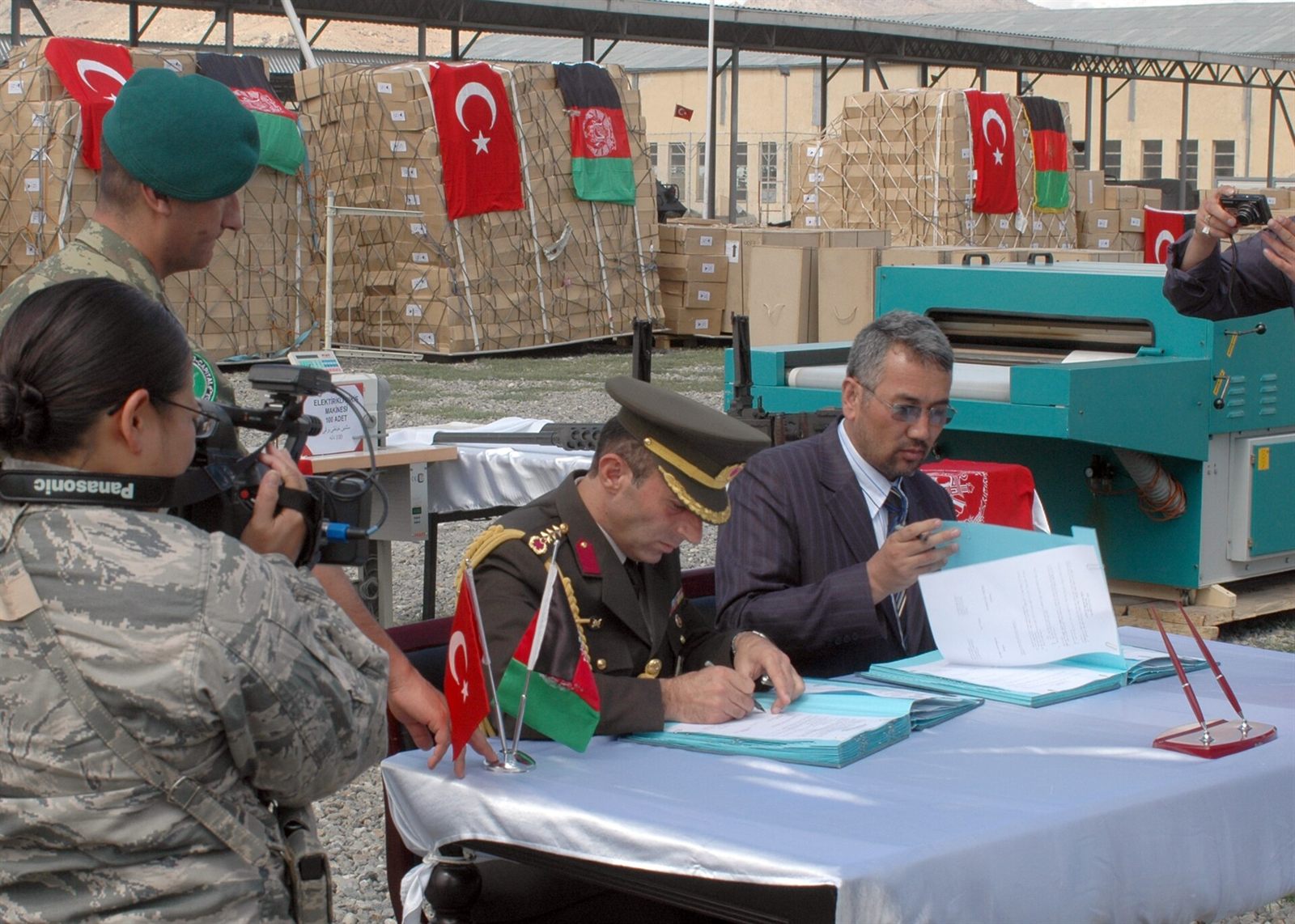
A document being signed at a table

The services · LRS Home Request LLC

Six ways into the file on a house

Each service below ends the same way: an organized file with dates, numbers and the office that holds every original document.

Plate 07 — a signature that starts a chain of title Denver metro & the Front Range
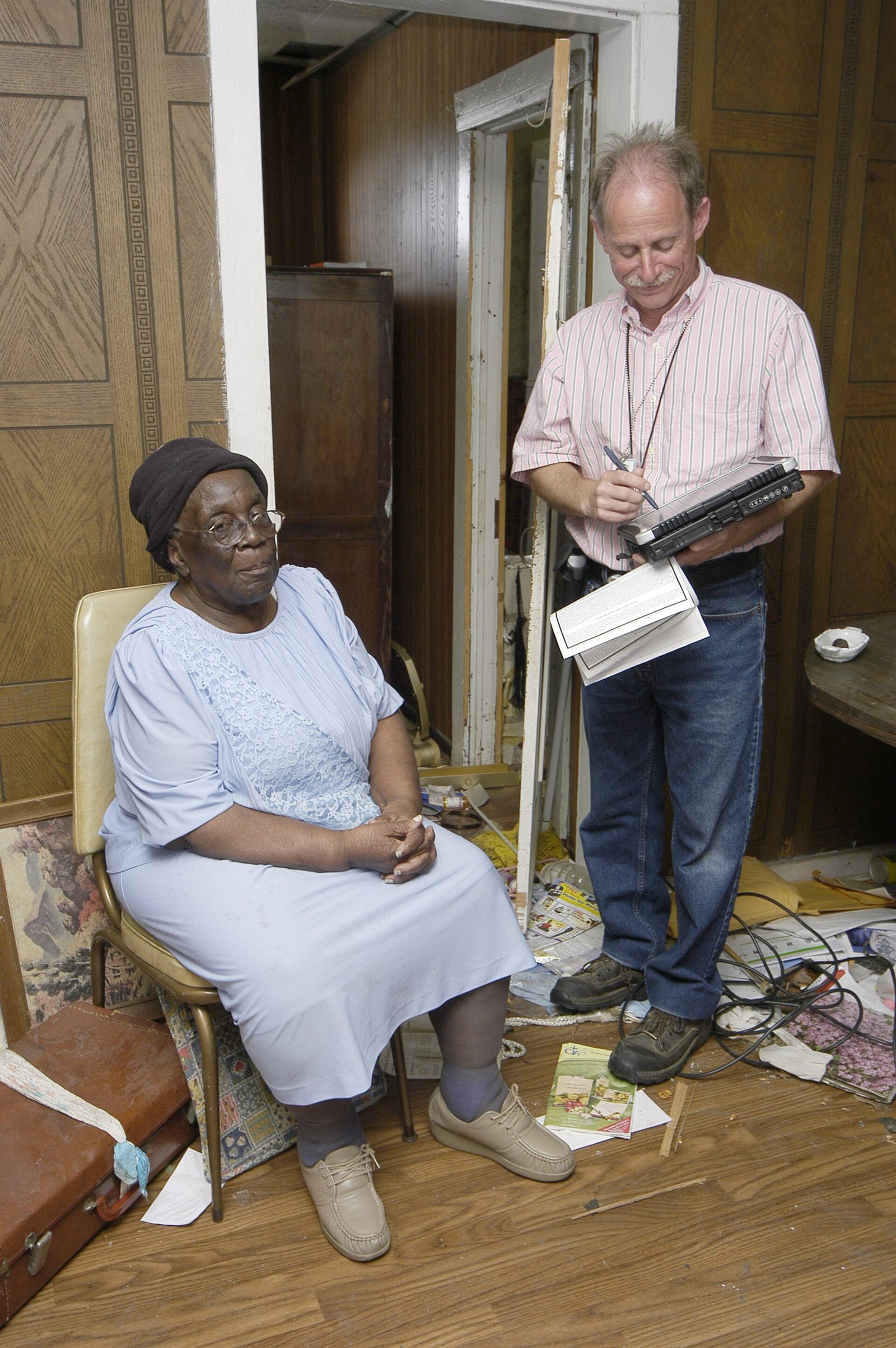
A document being signed at a table
Plate 08 — the signing; the recording follows at the clerk's counter

Service No. 01

Deed and transfer history

The spine of every house file. We walk the chain of title backwards from the current owner: who held it, when it moved, and which recorded document shows each step. Every entry carries its book and page or instrument number, the parties as named on the document, and the recording date as stamped — not as remembered.

  • Recorded deeds and transfer declarations, in order
  • Instrument, book and page references for each step
  • Names exactly as the index carries them, including alternate spellings
  • The recording office that holds each original
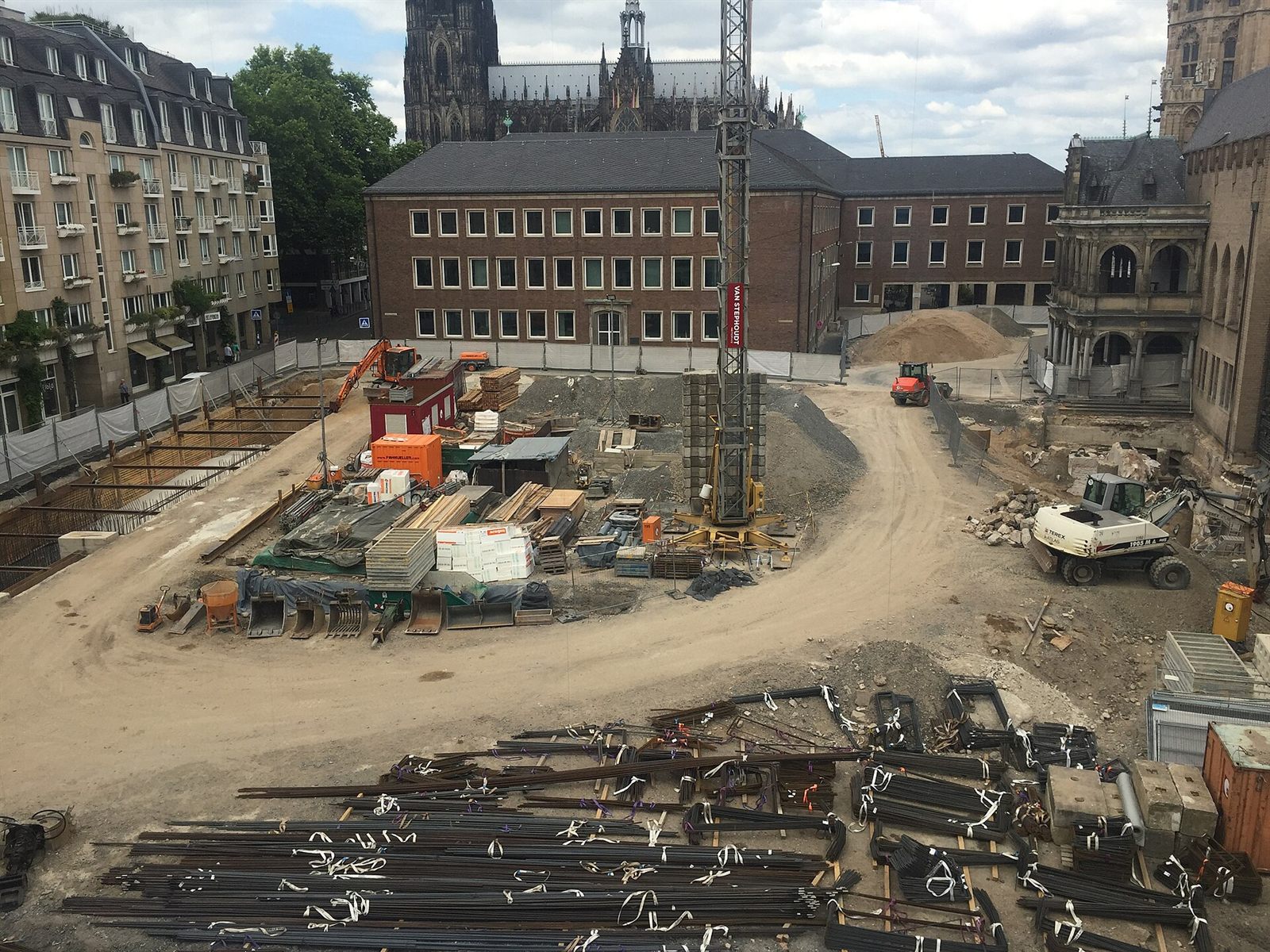
A building under construction
Plate 09 — work in progress; the permit file says whether it was asked for

Service No. 02

Permit history

What has been done to the house with permission, and what appears to have been done without it. We pull building, electrical, plumbing and zoning permits filed against the address from the permit office's records, and lay them out chronologically so the gaps are as visible as the entries.

  • Building, electrical, plumbing and zoning permits
  • Issue dates, work described and the permit numbers
  • Renovations that show no matching permit
  • A plain chronological list, oldest to newest
A property being inspected
Plate 10 — an inspection; the assessor keeps its own long view

Service No. 03

Assessment history

How the assessor has seen the parcel over the years. We compile the classification and valuation history across assessment cycles and mark what changed between one cycle and the next — a reclassification, a characteristic update, a value that moved. Useful reading before an appeal.

  • Classification and value by cycle, as published
  • What changed between cycles, line by line
  • Parcel characteristics the assessor holds
  • References to the assessor's own records
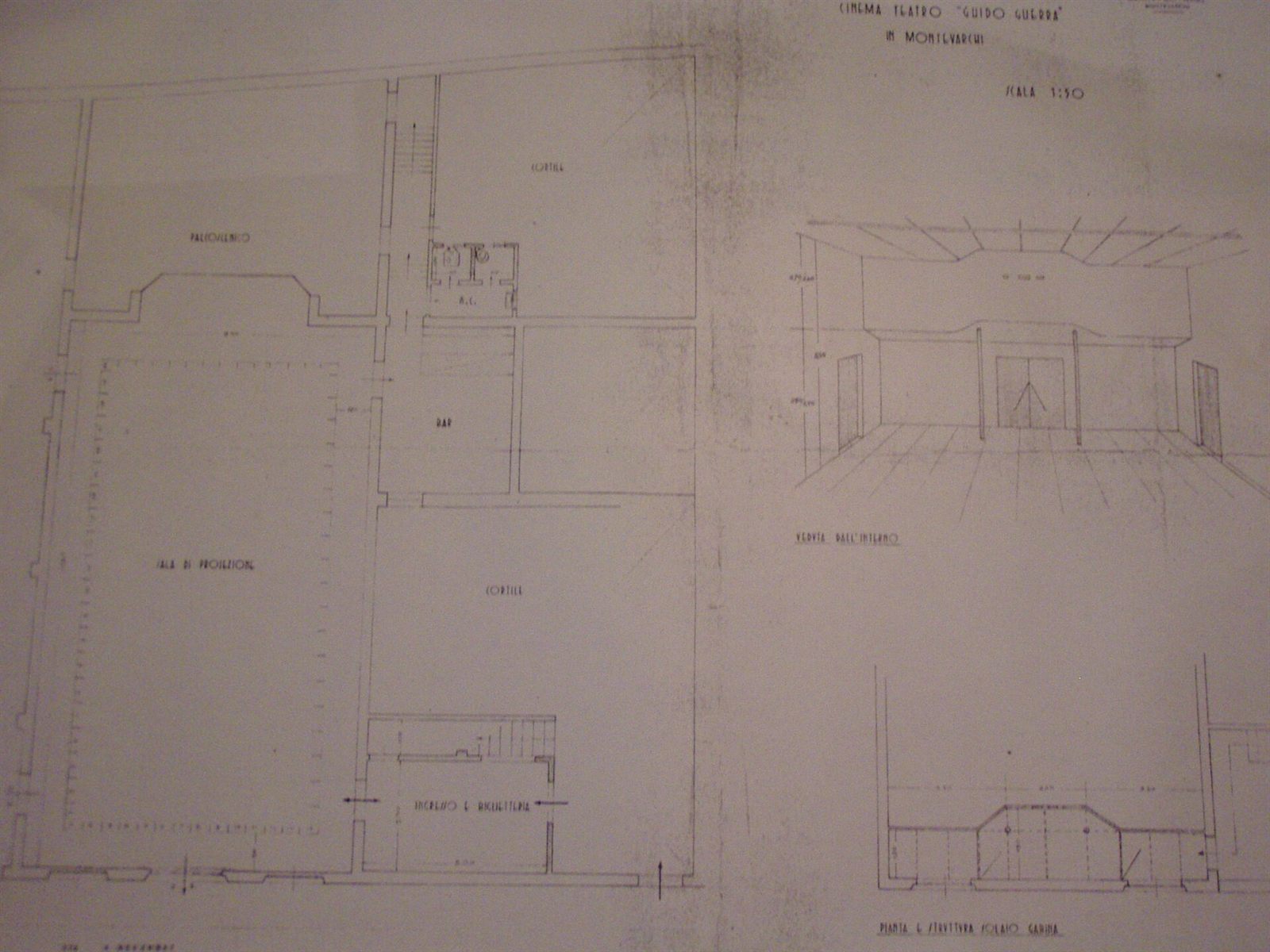
Architectural drawings for a building
Plate 11 — drawings and plats; the geometry behind the address

Service No. 04

Plat and parcel research

Where the lot lines came from. We trace the subdivision and plat references behind an address, record the parcel identifiers and lot dimensions as the county states them, and locate any recorded easements or restrictions that run with the land — the entries that decide where a fence, an addition or a driveway may go.

  • Subdivision and plat references, with recording details
  • Parcel identifiers and lot dimensions as recorded
  • Recorded easements and restrictions found in the index
  • Notes on anything the plat series leaves unclear
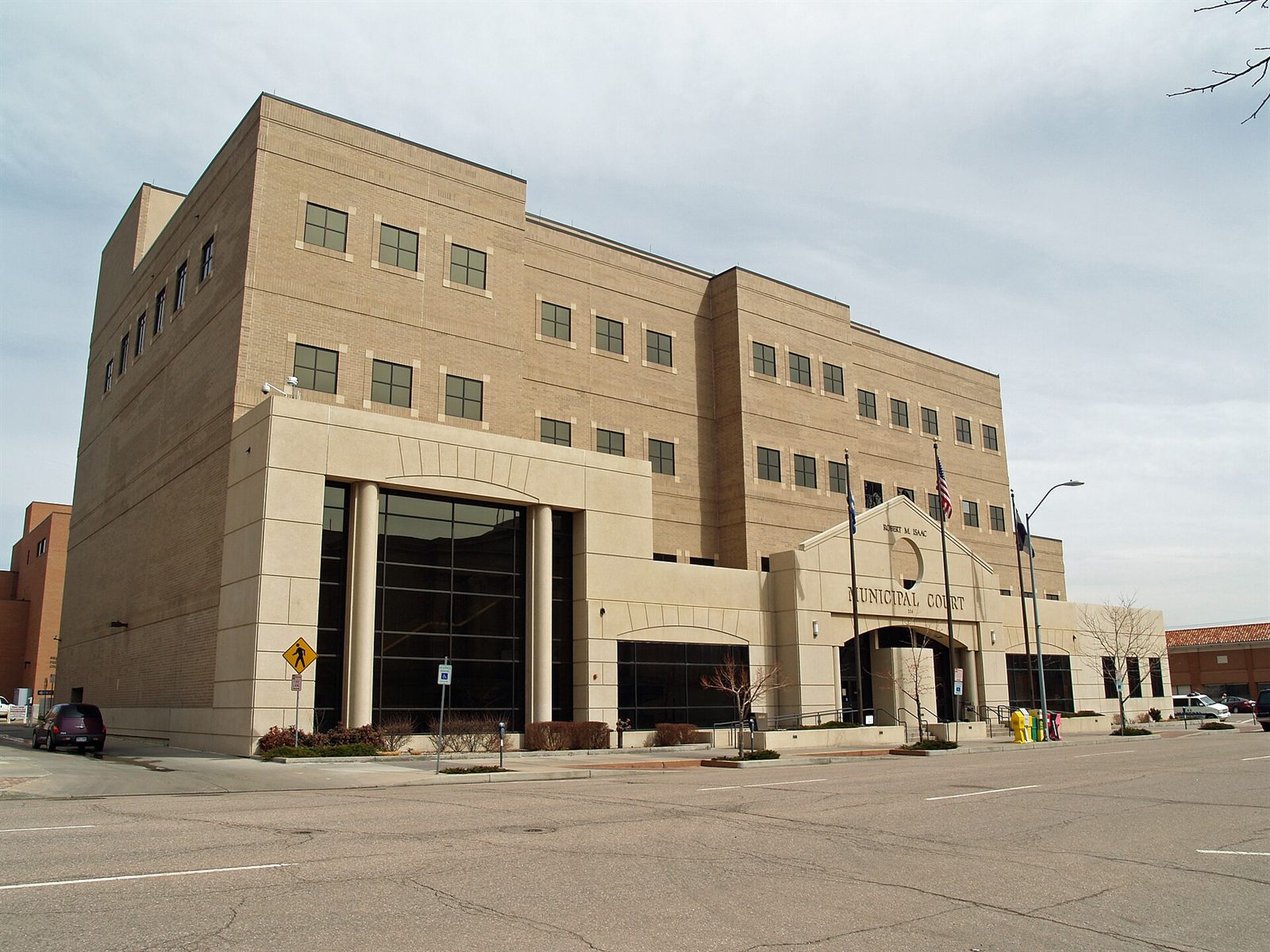
A Colorado county courthouse
Plate 12 — the courthouse; liens and judgments are recorded here

Service No. 05

Lien and judgment index lookups

What has been recorded against the property. We run index-level searches for liens, judgments and notices affecting the address and report exactly what the index shows: the parties, the filing date and the instrument reference. We do not interpret outcomes; certified copies come from the clerk, and we explain how to request them.

  • Index-level lien and judgment searches by address and party
  • Filing dates and instrument references as indexed
  • Indexes searched that returned nothing, listed too
  • Guidance on requesting certified copies from the clerk
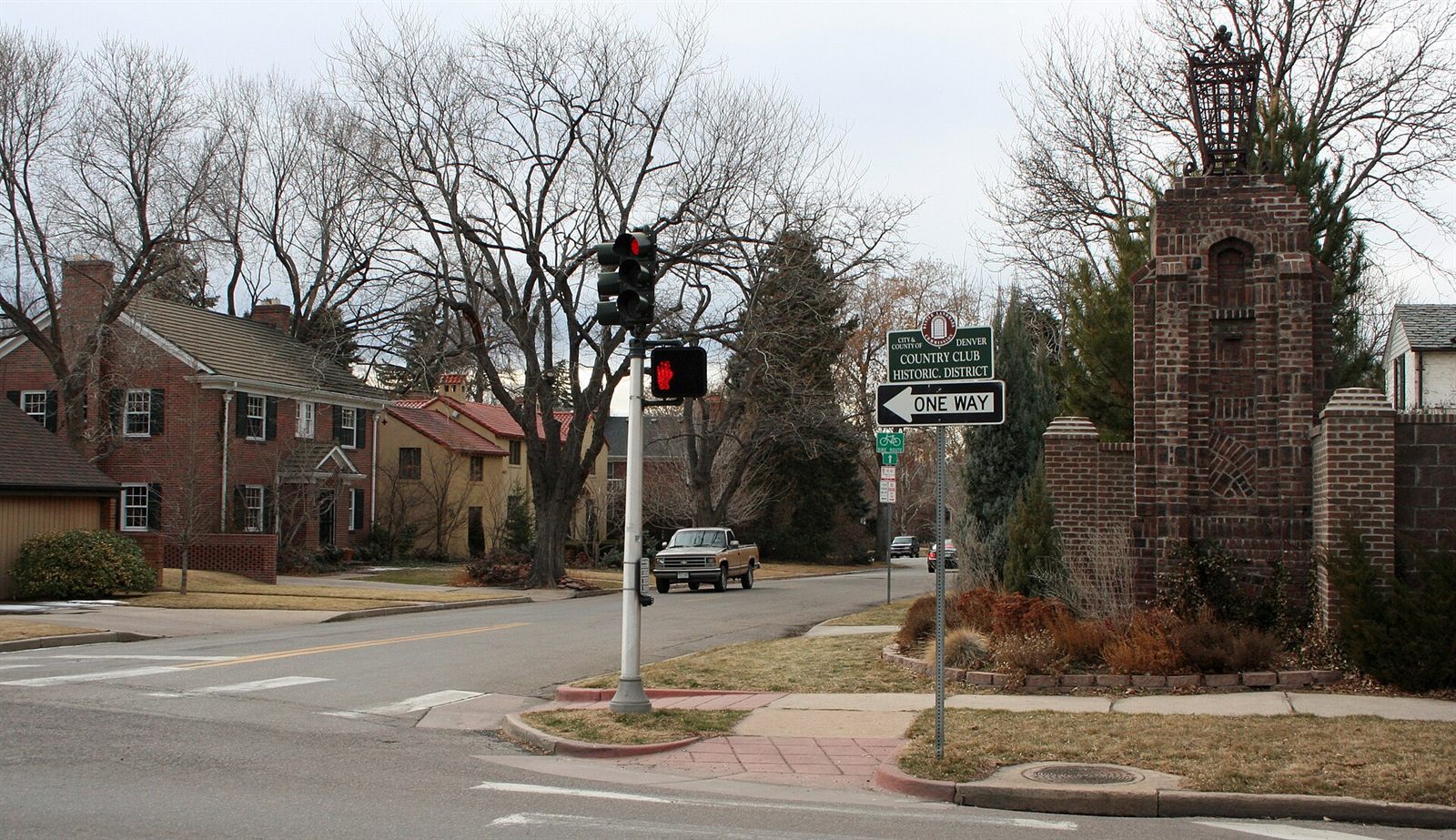
A residential street in Denver
Plate 13 — one street, many files

Service No. 06

Neighborhood change timeline

The house does not sit still, and neither does the block. We build a chronological view of recorded activity on a street or block — transfers, permits, subdivision changes — so the context around one address is visible. People ask for this before making an offer, before a renovation, or before arguing a point with the assessor.

  • Recorded activity across a street or block, by year
  • Transfers and permits side by side
  • Subdivision and plat changes that reshaped the area
  • Sources for every line, as with every file we deliver

The record schedule

The document families behind the six services, and the office that holds each one.

Schedule A — records we request and compile
RecordUsually held byWhat it answers
Recorded deedsCounty clerk and recorderWho held title, and when it moved
Transfer declarationsCounty clerk and recorder / assessorWhat was declared at each transfer
Building permitsCity or county permit officeWhat work was approved, and when
Assessor parcel recordsCounty assessorClassification, characteristics and value history
Plats and subdivisionsCounty clerk and recorderWhere the lot lines came from
Easements and restrictionsCounty clerk and recorderWhat runs with the land
Lien indexesCounty clerk and recorderWhat has been filed against the property
Judgment indexesCounty court / clerk and recorderWhich judgments touch the address or owner

Where an office publishes its index online, we search it directly and record the query. Where it does not, we request the search from the office that holds the records. Either way, the file names its sources.

How a file arrives

One address in, one organized file out. The shape of every delivery.

1. The address is fixed first

Before any index is opened, we confirm the parcel identifier, the legal description as recorded, and the spellings the address and owner names have gone by. A search against the wrong parcel is worse than no search.

2. The indexes are worked in order

Recorder, assessor, permit office, lien and judgment indexes — each one searched, each query written down as it was run, each result copied as the index states it.

3. The file is assembled

Everything is laid out chronologically with its source: document type, parties, dates, instrument or permit numbers, and the office holding the original. Searches that returned nothing are listed too, so you know the ground that was covered.

4. The plain-language note

The file closes with a short summary of what the records show, in ordinary language. We report what is recorded; we do not interpret legal outcomes, and we are not a law firm.

Ask a question

Coverage: Denver metro and the Front Range

Denver, Adams, Arapahoe, Jefferson, Douglas, Boulder, Weld and Broomfield counties are our regular ground. Other Colorado counties are taken on request — write to us with the address and we will tell you honestly what can be pulled.